正月 和風 重箱
楽天市場検索
レディースファッション (1) (正月 和風 重箱)
メンズファッション (0)
インナー・下着・ナイトウェア (0)
バッグ・小物・ブランド雑貨 (4) (正月 和風 重箱)
靴 (0)
腕時計 (0)
ジュエリー・アクセサリー (0)
キッズ・ベビー・マタニティ (0)
おもちゃ (0)
スポーツ・アウトドア (2) (正月 和風 重箱)
家電 (0)
TV・オーディオ・カメラ (0)
パソコン・周辺機器 (0)
スマートフォン・タブレット (0)
光回線・モバイル通信 (0)
食品 (14) (正月 和風 重箱)
スイーツ・お菓子 (0)
水・ソフトドリンク (0)
ビール・洋酒 (0)
日本酒・焼酎 (0)
インテリア・寝具・収納 (0)
日用品雑貨・文房具・手芸 (71) (正月 和風 重箱)
キッチン用品・食器・調理器具 (547) (正月 和風 重箱)
本・雑誌・コミック (0)
CD・DVD (0)
テレビゲーム (0)
ホビー (0)
楽器・音響機器 (0)
車・バイク (0)
車用品・バイク用品 (0)
美容・コスメ・香水 (0)
ダイエット・健康 (0)
医薬品・コンタクト・介護 (0)
ペット・ペットグッズ (0)
花・ガーデン・DIY (0)
サービス・リフォーム (0)
住宅・不動産 (0)
カタログギフト・チケット (0)
百貨店・総合通販・ギフト (0)
レディースファッション (1) (正月 和風 重箱)
メンズファッション (0)
インナー・下着・ナイトウェア (0)
バッグ・小物・ブランド雑貨 (4) (正月 和風 重箱)
靴 (0)
腕時計 (0)
ジュエリー・アクセサリー (0)
キッズ・ベビー・マタニティ (0)
おもちゃ (0)
スポーツ・アウトドア (2) (正月 和風 重箱)
家電 (0)
TV・オーディオ・カメラ (0)
パソコン・周辺機器 (0)
スマートフォン・タブレット (0)
光回線・モバイル通信 (0)
食品 (14) (正月 和風 重箱)
スイーツ・お菓子 (0)
水・ソフトドリンク (0)
ビール・洋酒 (0)
日本酒・焼酎 (0)
インテリア・寝具・収納 (0)
日用品雑貨・文房具・手芸 (71) (正月 和風 重箱)
キッチン用品・食器・調理器具 (547) (正月 和風 重箱)
本・雑誌・コミック (0)
CD・DVD (0)
テレビゲーム (0)
ホビー (0)
楽器・音響機器 (0)
車・バイク (0)
車用品・バイク用品 (0)
美容・コスメ・香水 (0)
ダイエット・健康 (0)
医薬品・コンタクト・介護 (0)
ペット・ペットグッズ (0)
花・ガーデン・DIY (0)
サービス・リフォーム (0)
住宅・不動産 (0)
カタログギフト・チケット (0)
百貨店・総合通販・ギフト (0)
639件中 451件 - 480件
11 12 13 14 15 16 17 18 19 20 21
| 商品 | 説明 | 価格 |
|---|---|---|
 重箱用二重ゴム房ひも紅白50cm 100本 〜和のおもてなし〜 重箱 正月 おせち 迎春 料理 賀正 業務用 和食 和食器 懐石 食膳 和風 ].【 用美 ヤマコー 】 [you20-328-07] キッチンガーデン | 【商品のご案内】 約L50cm 迎春、謹賀新年、賀正、寿など新たな年を祝いみんなが幸せをを願う食膳がおせち料理。 おせち料理は、季節の変わり目となる節句に神様へのお供え物が起源とされています。 御節供(おせちく)が語源で祈りの儀式が始まりとされています。 江戸時代に庶民にその文化が広まり、新年を祝う料理として発展しました。 おせち料理には、そのひとつづつに意味があります。 五穀豊穣や子孫繁栄の他、無病息災などを願うのが特徴です。 鯛:めでたい 海老:長寿への願い 鰤:出世魚 蛤:夫婦円満や良縁の願い(2枚重なっている) 昆布巻き:喜ぶこぶ たたきごぼう:地中深く根を張ることから家族や家業が土地に根付くこと 数の子:子孫繁栄 黒豆:まめに働く誠実さ たけのこ:子供の成長や家の発展 里芋:親芋から子芋、孫芋の繁栄 料理飾りにも願いを込めた意味が有ります。 松:風雪に耐え長い歳月を生きる。 竹:折れにくく、成長が早い事から子供の未来を願う。 梅:雪に耐え美しい花を咲かせ彩を奏でる。 鶴:鶴はつがいになると一生涯仲良く過ごす夫婦愛の象徴。 亀:長寿を象徴する亀は長寿を願う。 水引には人と神を結ぶ願いが込められています。 また、人と人をを結ぶといった思いが込められています。 農耕が人々の暮らしであった江戸時代、雨を降らせる水の神への願いが起源とされています。 五穀豊穣を願い食に感謝をし、幸せな一年を過ごす事を願う。 おせち料理にはそうした願いと祈りが込められています。 料理飾りは脇役ですが、日本の人々が培って育み、伝承されてきた文化が宿っています。 Osechi ryori is a meal that celebrates the new year and wishes happiness to everyone, including welcoming the new year, happy new year, happy new year, and longevity. Osechi ryori is said to have originated as offerings to the gods at seasonal festivals that mark the change of seasons. The word osechi ryori is derived from osechiku, which is said to have originated as a prayer ritual. During the Edo period, the culture spread to the common people and developed into a cuisine for celebrating the New Year. Each component of osechi ryori has a meaning. Osechi ryori is characterized by wishes for bountiful harvests, prosperity of descendants, and good health. Sea bream: Auspicious Shrimp: A wish for longevity Yellowtail: A fish that grows as one gets older Clams: A wish for marital harmony and a good relationship (two clams overlap) Kombu rolls: A lump of joy Pounded burdock: Because of its deep roots, it represents the family and business being firmly rooted in the land Herring roe: Prosperity of descendants Black beans: Diligent and honest work Bamboo shoots: The growth of children and the development of the family Taro: Prosperity of the parent, child, and grandchild potatoes Food decorations also have meanings that convey wishes. Pine: To withstand wind and snow and live a long life. Bamboo: Hard to break and grow quickly, it represents a wish for the future of children. Plum blossoms: Withstands snow and blooms beautiful flowers, creating a colorful display. Crane: A symbol of marital love, where a pair will mate and spend their entire lives together. Turtle: Turtles symbolize longevity, and represent a prayer for longevity. Mizuhiki is imbued with the wish to connect people with the gods. It also embodies the idea of connecting people with each other. It is said to have originated as a prayer to the water god who brings rain during the Edo period, when farming was a way of life. It represents prayers for bountiful harvests, gratitude for food, and a happy year. Osechi cuisine is imbued with such wishes and prayers. Although the food decorations play a supporting role, they are imbued with the culture that has been cultivated, nurtured, and passed down by the Japanese people. お正月おせち重箱用包み 正月 お正月 食器 重箱 ひも 紐 紅白 ]. 【 用美 ヤマコー 】【 業務用 厨房 店舗 旅館 施設 接客 飲食店 調理用 料理道具 専門店 キッチンガーデン 】 〜和風 食器 和食 料理の器 道具 和ごころセレクト/Japan Taste〜 和食器で食のおもてなし | 5,445円 |
 お祝い箸 白三ッ折 5膳入 〜和のおもてなし〜 料理 飾り お正月 正月 おせち 重箱 箸 膳 業務用 お箸 和食 和食器 懐石 食膳 和風 料理飾り ].【 用美 ヤマコー 】 [you20-418-05] キッチンガーデン | 【商品のご案内】 パッケージ: 約24×13.3cm お祝い箸 白三ッ折 5膳入は、和の心を大切にしたおもてなしに最適な商品です。 お正月やおせち料理、懐石料理など、特別な食事の場にふさわしいデザインが施されています。 白を基調とした上品な外観は、和食器や重箱との相性も抜群です。 業務用としても利用可能で、和風の料理飾りとしても活躍します。 大切な方々との食事を、より一層特別なものにするための一品です。 .[ 迎春祝箸 お祝い箸お祝い箸袋 寿箸袋 お箸包み 箸袋 正月 お正月 食器 正月飾り ]. 【 用美 ヤマコー 】【 業務用 厨房 店舗 旅館 施設 接客 飲食店 調理用 料理道具 専門店 キッチンガーデン 】 〜和風 食器 和食 料理の器 道具 和ごころセレクト/Japan Taste〜 和食器で食のおもてなし | 198円 |
 重箱用 金色紙中子 6.5寸用 2割 (G2) 〜和のおもてなし〜 重箱 正月 おせち 迎春 料理 賀正 業務用 和食 和食器 懐石 食膳 和風 ].【 用美 ヤマコー 】 [you20-325-13] キッチンガーデン | .[ 紙 正月 お正月 食器 重箱 ]. 【 用美 ヤマコー 】【 業務用 厨房 店舗 旅館 施設 接客 飲食店 調理用 料理道具 専門店 キッチンガーデン 】 〜和風 食器 和食 料理の器 道具 和ごころセレクト/Japan Taste〜 和食器で食のおもてなし | 174円 |
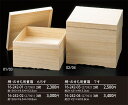 桐・おせち用 重箱 6.5寸 3段 〜和のおもてなし〜 重箱 正月 おせち 迎春 料理 賀正 桐 業務用 和食 和食器 懐石 食膳 和風 ].【 用美 ヤマコー 】 [you20-324-02] キッチンガーデン | 【商品のご案内】 約19.5×19.5×高さ19.6cm .[ 正月 お正月 食器 重箱 ]. 【 用美 ヤマコー 】【 業務用 厨房 店舗 旅館 施設 接客 飲食店 調理用 料理道具 専門店 キッチンガーデン 】 〜和風 食器 和食 料理の器 道具 和ごころセレクト/Japan Taste〜 和食器で食のおもてなし | 3,179円 |
 重箱用振分ゴム房ひも紅白46cm 100本 〜和のおもてなし〜 重箱 正月 おせち 迎春 料理 賀正 業務用 和食 和食器 懐石 食膳 和風 ].【 用美 ヤマコー 】 [you20-328-09] キッチンガーデン | 【商品のご案内】 約L46cm 迎春、謹賀新年、賀正、寿など新たな年を祝いみんなが幸せをを願う食膳がおせち料理。 おせち料理は、季節の変わり目となる節句に神様へのお供え物が起源とされています。 御節供(おせちく)が語源で祈りの儀式が始まりとされています。 江戸時代に庶民にその文化が広まり、新年を祝う料理として発展しました。 おせち料理には、そのひとつづつに意味があります。 五穀豊穣や子孫繁栄の他、無病息災などを願うのが特徴です。 鯛:めでたい 海老:長寿への願い 鰤:出世魚 蛤:夫婦円満や良縁の願い(2枚重なっている) 昆布巻き:喜ぶこぶ たたきごぼう:地中深く根を張ることから家族や家業が土地に根付くこと 数の子:子孫繁栄 黒豆:まめに働く誠実さ たけのこ:子供の成長や家の発展 里芋:親芋から子芋、孫芋の繁栄 料理飾りにも願いを込めた意味が有ります。 松:風雪に耐え長い歳月を生きる。 竹:折れにくく、成長が早い事から子供の未来を願う。 梅:雪に耐え美しい花を咲かせ彩を奏でる。 鶴:鶴はつがいになると一生涯仲良く過ごす夫婦愛の象徴。 亀:長寿を象徴する亀は長寿を願う。 水引には人と神を結ぶ願いが込められています。 また、人と人をを結ぶといった思いが込められています。 農耕が人々の暮らしであった江戸時代、雨を降らせる水の神への願いが起源とされています。 五穀豊穣を願い食に感謝をし、幸せな一年を過ごす事を願う。 おせち料理にはそうした願いと祈りが込められています。 料理飾りは脇役ですが、日本の人々が培って育み、伝承されてきた文化が宿っています。 Osechi ryori is a meal that celebrates the new year and wishes happiness to everyone, including welcoming the new year, happy new year, happy new year, and longevity. Osechi ryori is said to have originated as offerings to the gods at seasonal festivals that mark the change of seasons. The word osechi ryori is derived from osechiku, which is said to have originated as a prayer ritual. During the Edo period, the culture spread to the common people and developed into a cuisine for celebrating the New Year. Each component of osechi ryori has a meaning. Osechi ryori is characterized by wishes for bountiful harvests, prosperity of descendants, and good health. Sea bream: Auspicious Shrimp: A wish for longevity Yellowtail: A fish that grows as one gets older Clams: A wish for marital harmony and a good relationship (two clams overlap) Kombu rolls: A lump of joy Pounded burdock: Because of its deep roots, it represents the family and business being firmly rooted in the land Herring roe: Prosperity of descendants Black beans: Diligent and honest work Bamboo shoots: The growth of children and the development of the family Taro: Prosperity of the parent, child, and grandchild potatoes Food decorations also have meanings that convey wishes. Pine: To withstand wind and snow and live a long life. Bamboo: Hard to break and grow quickly, it represents a wish for the future of children. Plum blossoms: Withstands snow and blooms beautiful flowers, creating a colorful display. Crane: A symbol of marital love, where a pair will mate and spend their entire lives together. Turtle: Turtles symbolize longevity, and represent a prayer for longevity. Mizuhiki is imbued with the wish to connect people with the gods. It also embodies the idea of connecting people with each other. It is said to have originated as a prayer to the water god who brings rain during the Edo period, when farming was a way of life. It represents prayers for bountiful harvests, gratitude for food, and a happy year. Osechi cuisine is imbued with such wishes and prayers. Although the food decorations play a supporting role, they are imbued with the culture that has been cultivated, nurtured, and passed down by the Japanese people. 正月 お正月 食器 重箱 ひも 紐 紅白 ]. 【 用美 ヤマコー 】【 業務用 厨房 店舗 旅館 施設 接客 飲食店 調理用 料理道具 専門店 キッチンガーデン 】 〜和風 食器 和食 料理の器 道具 和ごころセレクト/Japan Taste〜 和食器で食のおもてなし | 5,346円 |
 チェリー串 緑 20本入 〜和のおもてなし〜 料理 飾り お正月 正月 おせち 重箱 業務用 和食 和食器 懐石 食膳 和風 料理飾り ].【 用美 ヤマコー 】 [you20-339-23] キッチンガーデン | 【商品のご案内】 約L5cm 【注意】 演出小物を食品に直接飾る場合、ピック部・ラミネート部を除き、OPクリアシート類を敷いてご使用ください。 迎春、謹賀新年、賀正、寿など新たな年を祝いみんなが幸せをを願う食膳がおせち料理。 おせち料理は、季節の変わり目となる節句に神様へのお供え物が起源とされています。 御節供(おせちく)が語源で祈りの儀式が始まりとされています。 江戸時代に庶民にその文化が広まり、新年を祝う料理として発展しました。 おせち料理には、そのひとつづつに意味があります。 五穀豊穣や子孫繁栄の他、無病息災などを願うのが特徴です。 鯛:めでたい 海老:長寿への願い 鰤:出世魚 蛤:夫婦円満や良縁の願い(2枚重なっている) 昆布巻き:喜ぶこぶ たたきごぼう:地中深く根を張ることから家族や家業が土地に根付くこと 数の子:子孫繁栄 黒豆:まめに働く誠実さ たけのこ:子供の成長や家の発展 里芋:親芋から子芋、孫芋の繁栄 料理飾りにも願いを込めた意味が有ります。 松:風雪に耐え長い歳月を生きる。 竹:折れにくく、成長が早い事から子供の未来を願う。 梅:雪に耐え美しい花を咲かせ彩を奏でる。 鶴:鶴はつがいになると一生涯仲良く過ごす夫婦愛の象徴。 亀:長寿を象徴する亀は長寿を願う。 水引には人と神を結ぶ願いが込められています。 また、人と人をを結ぶといった思いが込められています。 農耕が人々の暮らしであった江戸時代、雨を降らせる水の神への願いが起源とされています。 五穀豊穣を願い食に感謝をし、幸せな一年を過ごす事を願う。 おせち料理にはそうした願いと祈りが込められています。 料理飾りは脇役ですが、日本の人々が培って育み、伝承されてきた文化が宿っています。 Osechi ryori is a meal that celebrates the new year and wishes happiness to everyone, including welcoming the new year, happy new year, happy new year, and longevity. Osechi ryori is said to have originated as offerings to the gods at seasonal festivals that mark the change of seasons. The word osechi ryori is derived from osechiku, which is said to have originated as a prayer ritual. During the Edo period, the culture spread to the common people and developed into a cuisine for celebrating the New Year. Each component of osechi ryori has a meaning. Osechi ryori is characterized by wishes for bountiful harvests, prosperity of descendants, and good health. Sea bream: Auspicious Shrimp: A wish for longevity Yellowtail: A fish that grows as one gets older Clams: A wish for marital harmony and a good relationship (two clams overlap) Kombu rolls: A lump of joy Pounded burdock: Because of its deep roots, it represents the family and business being firmly rooted in the land Herring roe: Prosperity of descendants Black beans: Diligent and honest work Bamboo shoots: The growth of children and the development of the family Taro: Prosperity of the parent, child, and grandchild potatoes Food decorations also have meanings that convey wishes. Pine: To withstand wind and snow and live a long life. Bamboo: Hard to break and grow quickly, it represents a wish for the future of children. Plum blossoms: Withstands snow and blooms beautiful flowers, creating a colorful display. Crane: A symbol of marital love, where a pair will mate and spend their entire lives together. Turtle: Turtles symbolize longevity, and represent a prayer for longevity. Mizuhiki is imbued with the wish to connect people with the gods. It also embodies the idea of connecting people with each other. It is said to have originated as a prayer to the water god who brings rain during the Edo period, when farming was a way of life. It represents prayers for bountiful harvests, gratitude for food, and a happy year. Osechi cuisine is imbued with such wishes and prayers. Although the food decorations play a supporting role, they are imbued with the culture that has been cultivated, nurtured, and passed down by the Japanese people. お正月 おせち おせち用 飾り 料理飾り 串 正月 お正月 食器 正月飾り ]. 【 用美 ヤマコー 】【 業務用 厨房 店舗 旅館 施設 接客 飲食店 調理用 料理道具 専門店 キッチンガーデン 】 〜和風 食器 和食 料理の器 道具 和ごころセレクト/Japan Taste〜 和食器で食のおもてなし | 525円 |
 重箱包み 絞り柄 (グリーン) 75cm (20枚入) 〜和のおもてなし〜 重箱 正月 おせち 迎春 料理 賀正 業務用 和食 和食器 懐石 食膳 和風 ].【 用美 ヤマコー 】 [you20-327-08] キッチンガーデン | .[ お正月おせち重箱用包み 正月 お正月 食器 重箱 ]. 【 用美 ヤマコー 】【 業務用 厨房 店舗 旅館 施設 接客 飲食店 調理用 料理道具 専門店 キッチンガーデン 】 〜和風 食器 和食 料理の器 道具 和ごころセレクト/Japan Taste〜 和食器で食のおもてなし | 2,599円 |
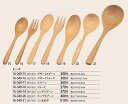 ビーチ・デザートフォーク 〜和のおもてなし〜 料理 飾り お正月 正月 おせち 重箱 フォーク 業務用 和食 和食器 懐石 食膳 和風 ].【 用美 ヤマコー 】 [you20-451-04] キッチンガーデン | 【商品のご案内】 約L16.5×2.1cm .[ デザートフォーク フォーク ]. 【 用美 ヤマコー 】【 業務用 厨房 店舗 旅館 施設 接客 飲食店 調理用 料理道具 専門店 キッチンガーデン 】 〜和風 食器 和食 料理の器 道具 和ごころセレクト/Japan Taste〜 和食器で食のおもてなし | 347円 |
 プチ門松 紅白結び 〜和のおもてなし〜 料理 飾り お正月 正月 おせち 重箱 業務用 和食 和食器 懐石 食膳 和風 料理飾り ].【 用美 ヤマコー 】 [you20-332-10] キッチンガーデン | 迎春、謹賀新年、賀正、寿など新たな年を祝いみんなが幸せをを願う食膳がおせち料理。 おせち料理は、季節の変わり目となる節句に神様へのお供え物が起源とされています。 御節供(おせちく)が語源で祈りの儀式が始まりとされています。 江戸時代に庶民にその文化が広まり、新年を祝う料理として発展しました。 おせち料理には、そのひとつづつに意味があります。 五穀豊穣や子孫繁栄の他、無病息災などを願うのが特徴です。 鯛:めでたい 海老:長寿への願い 鰤:出世魚 蛤:夫婦円満や良縁の願い(2枚重なっている) 昆布巻き:喜ぶこぶ たたきごぼう:地中深く根を張ることから家族や家業が土地に根付くこと 数の子:子孫繁栄 黒豆:まめに働く誠実さ たけのこ:子供の成長や家の発展 里芋:親芋から子芋、孫芋の繁栄 料理飾りにも願いを込めた意味が有ります。 松:風雪に耐え長い歳月を生きる。 竹:折れにくく、成長が早い事から子供の未来を願う。 梅:雪に耐え美しい花を咲かせ彩を奏でる。 鶴:鶴はつがいになると一生涯仲良く過ごす夫婦愛の象徴。 亀:長寿を象徴する亀は長寿を願う。 水引には人と神を結ぶ願いが込められています。 また、人と人をを結ぶといった思いが込められています。 農耕が人々の暮らしであった江戸時代、雨を降らせる水の神への願いが起源とされています。 五穀豊穣を願い食に感謝をし、幸せな一年を過ごす事を願う。 おせち料理にはそうした願いと祈りが込められています。 料理飾りは脇役ですが、日本の人々が培って育み、伝承されてきた文化が宿っています。 Osechi ryori is a meal that celebrates the new year and wishes happiness to everyone, including welcoming the new year, happy new year, happy new year, and longevity. Osechi ryori is said to have originated as offerings to the gods at seasonal festivals that mark the change of seasons. The word osechi ryori is derived from osechiku, which is said to have originated as a prayer ritual. During the Edo period, the culture spread to the common people and developed into a cuisine for celebrating the New Year. Each component of osechi ryori has a meaning. Osechi ryori is characterized by wishes for bountiful harvests, prosperity of descendants, and good health. Sea bream: Auspicious Shrimp: A wish for longevity Yellowtail: A fish that grows as one gets older Clams: A wish for marital harmony and a good relationship (two clams overlap) Kombu rolls: A lump of joy Pounded burdock: Because of its deep roots, it represents the family and business being firmly rooted in the land Herring roe: Prosperity of descendants Black beans: Diligent and honest work Bamboo shoots: The growth of children and the development of the family Taro: Prosperity of the parent, child, and grandchild potatoes Food decorations also have meanings that convey wishes. Pine: To withstand wind and snow and live a long life. Bamboo: Hard to break and grow quickly, it represents a wish for the future of children. Plum blossoms: Withstands snow and blooms beautiful flowers, creating a colorful display. Crane: A symbol of marital love, where a pair will mate and spend their entire lives together. Turtle: Turtles symbolize longevity, and represent a prayer for longevity. Mizuhiki is imbued with the wish to connect people with the gods. It also embodies the idea of connecting people with each other. It is said to have originated as a prayer to the water god who brings rain during the Edo period, when farming was a way of life. It represents prayers for bountiful harvests, gratitude for food, and a happy year. Osechi cuisine is imbued with such wishes and prayers. Although the food decorations play a supporting role, they are imbued with the culture that has been cultivated, nurtured, and passed down by the Japanese people. 和風 料理演出 料理飾り 料理かざり 正月 お正月 食器 正月飾り ]. 【 用美 ヤマコー 】【 業務用 厨房 店舗 旅館 施設 接客 飲食店 調理用 料理道具 専門店 キッチンガーデン 】 〜和風 食器 和食 料理の器 道具 和ごころセレクト/Japan Taste〜 和食器で食のおもてなし | 319円 |
 重箱用振分ゴム房ひも紅白50cm 100本 〜和のおもてなし〜 重箱 正月 おせち 迎春 料理 賀正 業務用 和食 和食器 懐石 食膳 和風 ].【 用美 ヤマコー 】 [you20-328-10] キッチンガーデン | 【商品のご案内】 約L50cm 迎春、謹賀新年、賀正、寿など新たな年を祝いみんなが幸せをを願う食膳がおせち料理。 おせち料理は、季節の変わり目となる節句に神様へのお供え物が起源とされています。 御節供(おせちく)が語源で祈りの儀式が始まりとされています。 江戸時代に庶民にその文化が広まり、新年を祝う料理として発展しました。 おせち料理には、そのひとつづつに意味があります。 五穀豊穣や子孫繁栄の他、無病息災などを願うのが特徴です。 鯛:めでたい 海老:長寿への願い 鰤:出世魚 蛤:夫婦円満や良縁の願い(2枚重なっている) 昆布巻き:喜ぶこぶ たたきごぼう:地中深く根を張ることから家族や家業が土地に根付くこと 数の子:子孫繁栄 黒豆:まめに働く誠実さ たけのこ:子供の成長や家の発展 里芋:親芋から子芋、孫芋の繁栄 料理飾りにも願いを込めた意味が有ります。 松:風雪に耐え長い歳月を生きる。 竹:折れにくく、成長が早い事から子供の未来を願う。 梅:雪に耐え美しい花を咲かせ彩を奏でる。 鶴:鶴はつがいになると一生涯仲良く過ごす夫婦愛の象徴。 亀:長寿を象徴する亀は長寿を願う。 水引には人と神を結ぶ願いが込められています。 また、人と人をを結ぶといった思いが込められています。 農耕が人々の暮らしであった江戸時代、雨を降らせる水の神への願いが起源とされています。 五穀豊穣を願い食に感謝をし、幸せな一年を過ごす事を願う。 おせち料理にはそうした願いと祈りが込められています。 料理飾りは脇役ですが、日本の人々が培って育み、伝承されてきた文化が宿っています。 Osechi ryori is a meal that celebrates the new year and wishes happiness to everyone, including welcoming the new year, happy new year, happy new year, and longevity. Osechi ryori is said to have originated as offerings to the gods at seasonal festivals that mark the change of seasons. The word osechi ryori is derived from osechiku, which is said to have originated as a prayer ritual. During the Edo period, the culture spread to the common people and developed into a cuisine for celebrating the New Year. Each component of osechi ryori has a meaning. Osechi ryori is characterized by wishes for bountiful harvests, prosperity of descendants, and good health. Sea bream: Auspicious Shrimp: A wish for longevity Yellowtail: A fish that grows as one gets older Clams: A wish for marital harmony and a good relationship (two clams overlap) Kombu rolls: A lump of joy Pounded burdock: Because of its deep roots, it represents the family and business being firmly rooted in the land Herring roe: Prosperity of descendants Black beans: Diligent and honest work Bamboo shoots: The growth of children and the development of the family Taro: Prosperity of the parent, child, and grandchild potatoes Food decorations also have meanings that convey wishes. Pine: To withstand wind and snow and live a long life. Bamboo: Hard to break and grow quickly, it represents a wish for the future of children. Plum blossoms: Withstands snow and blooms beautiful flowers, creating a colorful display. Crane: A symbol of marital love, where a pair will mate and spend their entire lives together. Turtle: Turtles symbolize longevity, and represent a prayer for longevity. Mizuhiki is imbued with the wish to connect people with the gods. It also embodies the idea of connecting people with each other. It is said to have originated as a prayer to the water god who brings rain during the Edo period, when farming was a way of life. It represents prayers for bountiful harvests, gratitude for food, and a happy year. Osechi cuisine is imbued with such wishes and prayers. Although the food decorations play a supporting role, they are imbued with the culture that has been cultivated, nurtured, and passed down by the Japanese people. 正月 お正月 食器 重箱 ひも 紐 紅白 ]. 【 用美 ヤマコー 】【 業務用 厨房 店舗 旅館 施設 接客 飲食店 調理用 料理道具 専門店 キッチンガーデン 】 〜和風 食器 和食 料理の器 道具 和ごころセレクト/Japan Taste〜 和食器で食のおもてなし | 5,544円 |
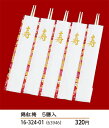 お祝い箸 錦紅梅 5膳入 〜和のおもてなし〜 料理 飾り お正月 正月 おせち 重箱 箸 膳 業務用 お箸 和食 和食器 懐石 食膳 和風 料理飾り ].【 用美 ヤマコー 】 [you20-418-01] キッチンガーデン | 【商品のご案内】 長さ約24cm お祝い箸「錦紅梅 5膳入」は、和のおもてなしに最適な商品です。 お正月やおせち料理、重箱などの特別な場面で、料理を一層引き立てる役割を果たします。 和食や懐石料理にぴったりのデザインで、食卓に華やかさを添えます。 業務用としても利用可能で、和風の料理飾りとして多様なシーンで活躍します。 用美ヤマコーの品質で、特別な日を彩るお箸です。 .[ 迎春祝箸 お祝い箸お祝い箸袋 寿箸袋 お箸包み 箸袋 迎春 正月 お正月 ]. 【 用美 ヤマコー 】【 業務用 厨房 店舗 旅館 施設 接客 飲食店 調理用 料理道具 専門店 キッチンガーデン 】 〜和風 食器 和食 料理の器 道具 和ごころセレクト/Japan Taste〜 和食器で食のおもてなし | 356円 |
 ふーでこ飾り扇子 赤友禅 50ヶ入 〜和のおもてなし〜 料理 飾り お正月 正月 おせち 重箱 友禅 業務用 和食 和食器 懐石 食膳 和風 料理飾り ].【 用美 ヤマコー 】 [you20-330-05] キッチンガーデン | 【商品のご案内】 約6.5×6.5cm 迎春、謹賀新年、賀正、寿など新たな年を祝いみんなが幸せをを願う食膳がおせち料理。 おせち料理は、季節の変わり目となる節句に神様へのお供え物が起源とされています。 御節供(おせちく)が語源で祈りの儀式が始まりとされています。 江戸時代に庶民にその文化が広まり、新年を祝う料理として発展しました。 おせち料理には、そのひとつづつに意味があります。 五穀豊穣や子孫繁栄の他、無病息災などを願うのが特徴です。 鯛:めでたい 海老:長寿への願い 鰤:出世魚 蛤:夫婦円満や良縁の願い(2枚重なっている) 昆布巻き:喜ぶこぶ たたきごぼう:地中深く根を張ることから家族や家業が土地に根付くこと 数の子:子孫繁栄 黒豆:まめに働く誠実さ たけのこ:子供の成長や家の発展 里芋:親芋から子芋、孫芋の繁栄 料理飾りにも願いを込めた意味が有ります。 松:風雪に耐え長い歳月を生きる。 竹:折れにくく、成長が早い事から子供の未来を願う。 梅:雪に耐え美しい花を咲かせ彩を奏でる。 鶴:鶴はつがいになると一生涯仲良く過ごす夫婦愛の象徴。 亀:長寿を象徴する亀は長寿を願う。 水引には人と神を結ぶ願いが込められています。 また、人と人をを結ぶといった思いが込められています。 農耕が人々の暮らしであった江戸時代、雨を降らせる水の神への願いが起源とされています。 五穀豊穣を願い食に感謝をし、幸せな一年を過ごす事を願う。 おせち料理にはそうした願いと祈りが込められています。 料理飾りは脇役ですが、日本の人々が培って育み、伝承されてきた文化が宿っています。 Osechi ryori is a meal that celebrates the new year and wishes happiness to everyone, including welcoming the new year, happy new year, happy new year, and longevity. Osechi ryori is said to have originated as offerings to the gods at seasonal festivals that mark the change of seasons. The word osechi ryori is derived from osechiku, which is said to have originated as a prayer ritual. During the Edo period, the culture spread to the common people and developed into a cuisine for celebrating the New Year. Each component of osechi ryori has a meaning. Osechi ryori is characterized by wishes for bountiful harvests, prosperity of descendants, and good health. Sea bream: Auspicious Shrimp: A wish for longevity Yellowtail: A fish that grows as one gets older Clams: A wish for marital harmony and a good relationship (two clams overlap) Kombu rolls: A lump of joy Pounded burdock: Because of its deep roots, it represents the family and business being firmly rooted in the land Herring roe: Prosperity of descendants Black beans: Diligent and honest work Bamboo shoots: The growth of children and the development of the family Taro: Prosperity of the parent, child, and grandchild potatoes Food decorations also have meanings that convey wishes. Pine: To withstand wind and snow and live a long life. Bamboo: Hard to break and grow quickly, it represents a wish for the future of children. Plum blossoms: Withstands snow and blooms beautiful flowers, creating a colorful display. Crane: A symbol of marital love, where a pair will mate and spend their entire lives together. Turtle: Turtles symbolize longevity, and represent a prayer for longevity. Mizuhiki is imbued with the wish to connect people with the gods. It also embodies the idea of connecting people with each other. It is said to have originated as a prayer to the water god who brings rain during the Edo period, when farming was a way of life. It represents prayers for bountiful harvests, gratitude for food, and a happy year. Osechi cuisine is imbued with such wishes and prayers. Although the food decorations play a supporting role, they are imbued with the culture that has been cultivated, nurtured, and passed down by the Japanese people. お正月 おせち おせち用 飾り 料理飾り 正月 お正月 食器 正月飾り ]. 【 用美 ヤマコー 】【 業務用 厨房 店舗 旅館 施設 接客 飲食店 調理用 料理道具 専門店 キッチンガーデン 】 〜和風 食器 和食 料理の器 道具 和ごころセレクト/Japan Taste〜 和食器で食のおもてなし | 5,643円 |
 お箸包み 舞 (まい) ・緑 100枚 (箸なし) 〜和のおもてなし〜 料理 飾り お正月 正月 おせち 重箱 お箸 箸 業務用 和食 和食器 懐石 食膳 和風 ].【 用美 ヤマコー 】 [you20-419-06] キッチンガーデン | 【商品のご案内】 ◆包みのみです。箸は付いておりません。 .[ 箸袋 箸包み おてもと おもてなし ]. 【 用美 ヤマコー 】【 業務用 厨房 店舗 旅館 施設 接客 飲食店 調理用 料理道具 専門店 キッチンガーデン 】 〜和風 食器 和食 料理の器 道具 和ごころセレクト/Japan Taste〜 和食器で食のおもてなし | 5,841円 |
 重箱用ヒモ (赤) 〜和のおもてなし〜 重箱 正月 おせち 迎春 料理 賀正 業務用 和食 和食器 懐石 食膳 和風 ].【 用美 ヤマコー 】 [you20-328-12] キッチンガーデン | 【商品のご案内】 約120cm 迎春、謹賀新年、賀正、寿など新たな年を祝いみんなが幸せをを願う食膳がおせち料理。 おせち料理は、季節の変わり目となる節句に神様へのお供え物が起源とされています。 御節供(おせちく)が語源で祈りの儀式が始まりとされています。 江戸時代に庶民にその文化が広まり、新年を祝う料理として発展しました。 おせち料理には、そのひとつづつに意味があります。 五穀豊穣や子孫繁栄の他、無病息災などを願うのが特徴です。 鯛:めでたい 海老:長寿への願い 鰤:出世魚 蛤:夫婦円満や良縁の願い(2枚重なっている) 昆布巻き:喜ぶこぶ たたきごぼう:地中深く根を張ることから家族や家業が土地に根付くこと 数の子:子孫繁栄 黒豆:まめに働く誠実さ たけのこ:子供の成長や家の発展 里芋:親芋から子芋、孫芋の繁栄 料理飾りにも願いを込めた意味が有ります。 松:風雪に耐え長い歳月を生きる。 竹:折れにくく、成長が早い事から子供の未来を願う。 梅:雪に耐え美しい花を咲かせ彩を奏でる。 鶴:鶴はつがいになると一生涯仲良く過ごす夫婦愛の象徴。 亀:長寿を象徴する亀は長寿を願う。 水引には人と神を結ぶ願いが込められています。 また、人と人をを結ぶといった思いが込められています。 農耕が人々の暮らしであった江戸時代、雨を降らせる水の神への願いが起源とされています。 五穀豊穣を願い食に感謝をし、幸せな一年を過ごす事を願う。 おせち料理にはそうした願いと祈りが込められています。 料理飾りは脇役ですが、日本の人々が培って育み、伝承されてきた文化が宿っています。 Osechi ryori is a meal that celebrates the new year and wishes happiness to everyone, including welcoming the new year, happy new year, happy new year, and longevity. Osechi ryori is said to have originated as offerings to the gods at seasonal festivals that mark the change of seasons. The word osechi ryori is derived from osechiku, which is said to have originated as a prayer ritual. During the Edo period, the culture spread to the common people and developed into a cuisine for celebrating the New Year. Each component of osechi ryori has a meaning. Osechi ryori is characterized by wishes for bountiful harvests, prosperity of descendants, and good health. Sea bream: Auspicious Shrimp: A wish for longevity Yellowtail: A fish that grows as one gets older Clams: A wish for marital harmony and a good relationship (two clams overlap) Kombu rolls: A lump of joy Pounded burdock: Because of its deep roots, it represents the family and business being firmly rooted in the land Herring roe: Prosperity of descendants Black beans: Diligent and honest work Bamboo shoots: The growth of children and the development of the family Taro: Prosperity of the parent, child, and grandchild potatoes Food decorations also have meanings that convey wishes. Pine: To withstand wind and snow and live a long life. Bamboo: Hard to break and grow quickly, it represents a wish for the future of children. Plum blossoms: Withstands snow and blooms beautiful flowers, creating a colorful display. Crane: A symbol of marital love, where a pair will mate and spend their entire lives together. Turtle: Turtles symbolize longevity, and represent a prayer for longevity. Mizuhiki is imbued with the wish to connect people with the gods. It also embodies the idea of connecting people with each other. It is said to have originated as a prayer to the water god who brings rain during the Edo period, when farming was a way of life. It represents prayers for bountiful harvests, gratitude for food, and a happy year. Osechi cuisine is imbued with such wishes and prayers. Although the food decorations play a supporting role, they are imbued with the culture that has been cultivated, nurtured, and passed down by the Japanese people. 正月 お正月 食器 重箱 ]. 【 用美 ヤマコー 】【 業務用 厨房 店舗 旅館 施設 接客 飲食店 調理用 料理道具 専門店 キッチンガーデン 】 〜和風 食器 和食 料理の器 道具 和ごころセレクト/Japan Taste〜 和食器で食のおもてなし | 188円 |
 羽子板飾り 赤 〜和のおもてなし〜 お正月 料理 飾り 正月 おせち 重箱 羽子板 はごいた 業務用 和食 和食器 懐石 食膳 和風 料理飾り ].【 用美 ヤマコー 】 [you20-331-18] キッチンガーデン | 迎春、謹賀新年、賀正、寿など新たな年を祝いみんなが幸せをを願う食膳がおせち料理。 おせち料理は、季節の変わり目となる節句に神様へのお供え物が起源とされています。 御節供(おせちく)が語源で祈りの儀式が始まりとされています。 江戸時代に庶民にその文化が広まり、新年を祝う料理として発展しました。 おせち料理には、そのひとつづつに意味があります。 五穀豊穣や子孫繁栄の他、無病息災などを願うのが特徴です。 鯛:めでたい 海老:長寿への願い 鰤:出世魚 蛤:夫婦円満や良縁の願い(2枚重なっている) 昆布巻き:喜ぶこぶ たたきごぼう:地中深く根を張ることから家族や家業が土地に根付くこと 数の子:子孫繁栄 黒豆:まめに働く誠実さ たけのこ:子供の成長や家の発展 里芋:親芋から子芋、孫芋の繁栄 料理飾りにも願いを込めた意味が有ります。 松:風雪に耐え長い歳月を生きる。 竹:折れにくく、成長が早い事から子供の未来を願う。 梅:雪に耐え美しい花を咲かせ彩を奏でる。 鶴:鶴はつがいになると一生涯仲良く過ごす夫婦愛の象徴。 亀:長寿を象徴する亀は長寿を願う。 水引には人と神を結ぶ願いが込められています。 また、人と人をを結ぶといった思いが込められています。 農耕が人々の暮らしであった江戸時代、雨を降らせる水の神への願いが起源とされています。 五穀豊穣を願い食に感謝をし、幸せな一年を過ごす事を願う。 おせち料理にはそうした願いと祈りが込められています。 料理飾りは脇役ですが、日本の人々が培って育み、伝承されてきた文化が宿っています。 Osechi ryori is a meal that celebrates the new year and wishes happiness to everyone, including welcoming the new year, happy new year, happy new year, and longevity. Osechi ryori is said to have originated as offerings to the gods at seasonal festivals that mark the change of seasons. The word osechi ryori is derived from osechiku, which is said to have originated as a prayer ritual. During the Edo period, the culture spread to the common people and developed into a cuisine for celebrating the New Year. Each component of osechi ryori has a meaning. Osechi ryori is characterized by wishes for bountiful harvests, prosperity of descendants, and good health. Sea bream: Auspicious Shrimp: A wish for longevity Yellowtail: A fish that grows as one gets older Clams: A wish for marital harmony and a good relationship (two clams overlap) Kombu rolls: A lump of joy Pounded burdock: Because of its deep roots, it represents the family and business being firmly rooted in the land Herring roe: Prosperity of descendants Black beans: Diligent and honest work Bamboo shoots: The growth of children and the development of the family Taro: Prosperity of the parent, child, and grandchild potatoes Food decorations also have meanings that convey wishes. Pine: To withstand wind and snow and live a long life. Bamboo: Hard to break and grow quickly, it represents a wish for the future of children. Plum blossoms: Withstands snow and blooms beautiful flowers, creating a colorful display. Crane: A symbol of marital love, where a pair will mate and spend their entire lives together. Turtle: Turtles symbolize longevity, and represent a prayer for longevity. Mizuhiki is imbued with the wish to connect people with the gods. It also embodies the idea of connecting people with each other. It is said to have originated as a prayer to the water god who brings rain during the Edo period, when farming was a way of life. It represents prayers for bountiful harvests, gratitude for food, and a happy year. Osechi cuisine is imbued with such wishes and prayers. Although the food decorations play a supporting role, they are imbued with the culture that has been cultivated, nurtured, and passed down by the Japanese people. 和風 料理演出 料理飾り 料理かざり 正月 お正月 食器 正月飾り ]. 【 用美 ヤマコー 】【 業務用 厨房 店舗 旅館 施設 接客 飲食店 調理用 料理道具 専門店 キッチンガーデン 】 〜和風 食器 和食 料理の器 道具 和ごころセレクト/Japan Taste〜 和食器で食のおもてなし | 149円 |
 ビーズ串 7cm 緑 50本入 (各色別売) 〜和のおもてなし〜 料理 飾り お正月 正月 おせち 重箱 業務用 和食 和食器 懐石 食膳 和風 料理飾り ].【 用美 ヤマコー 】 [you20-339-16] キッチンガーデン | 【商品のご案内】 約L7cm 【注意】 演出小物を食品に直接飾る場合、ピック部・ラミネート部を除き、OPクリアシート類を敷いてご使用ください。 迎春、謹賀新年、賀正、寿など新たな年を祝いみんなが幸せをを願う食膳がおせち料理。 おせち料理は、季節の変わり目となる節句に神様へのお供え物が起源とされています。 御節供(おせちく)が語源で祈りの儀式が始まりとされています。 江戸時代に庶民にその文化が広まり、新年を祝う料理として発展しました。 おせち料理には、そのひとつづつに意味があります。 五穀豊穣や子孫繁栄の他、無病息災などを願うのが特徴です。 鯛:めでたい 海老:長寿への願い 鰤:出世魚 蛤:夫婦円満や良縁の願い(2枚重なっている) 昆布巻き:喜ぶこぶ たたきごぼう:地中深く根を張ることから家族や家業が土地に根付くこと 数の子:子孫繁栄 黒豆:まめに働く誠実さ たけのこ:子供の成長や家の発展 里芋:親芋から子芋、孫芋の繁栄 料理飾りにも願いを込めた意味が有ります。 松:風雪に耐え長い歳月を生きる。 竹:折れにくく、成長が早い事から子供の未来を願う。 梅:雪に耐え美しい花を咲かせ彩を奏でる。 鶴:鶴はつがいになると一生涯仲良く過ごす夫婦愛の象徴。 亀:長寿を象徴する亀は長寿を願う。 水引には人と神を結ぶ願いが込められています。 また、人と人をを結ぶといった思いが込められています。 農耕が人々の暮らしであった江戸時代、雨を降らせる水の神への願いが起源とされています。 五穀豊穣を願い食に感謝をし、幸せな一年を過ごす事を願う。 おせち料理にはそうした願いと祈りが込められています。 料理飾りは脇役ですが、日本の人々が培って育み、伝承されてきた文化が宿っています。 Osechi ryori is a meal that celebrates the new year and wishes happiness to everyone, including welcoming the new year, happy new year, happy new year, and longevity. Osechi ryori is said to have originated as offerings to the gods at seasonal festivals that mark the change of seasons. The word osechi ryori is derived from osechiku, which is said to have originated as a prayer ritual. During the Edo period, the culture spread to the common people and developed into a cuisine for celebrating the New Year. Each component of osechi ryori has a meaning. Osechi ryori is characterized by wishes for bountiful harvests, prosperity of descendants, and good health. Sea bream: Auspicious Shrimp: A wish for longevity Yellowtail: A fish that grows as one gets older Clams: A wish for marital harmony and a good relationship (two clams overlap) Kombu rolls: A lump of joy Pounded burdock: Because of its deep roots, it represents the family and business being firmly rooted in the land Herring roe: Prosperity of descendants Black beans: Diligent and honest work Bamboo shoots: The growth of children and the development of the family Taro: Prosperity of the parent, child, and grandchild potatoes Food decorations also have meanings that convey wishes. Pine: To withstand wind and snow and live a long life. Bamboo: Hard to break and grow quickly, it represents a wish for the future of children. Plum blossoms: Withstands snow and blooms beautiful flowers, creating a colorful display. Crane: A symbol of marital love, where a pair will mate and spend their entire lives together. Turtle: Turtles symbolize longevity, and represent a prayer for longevity. Mizuhiki is imbued with the wish to connect people with the gods. It also embodies the idea of connecting people with each other. It is said to have originated as a prayer to the water god who brings rain during the Edo period, when farming was a way of life. It represents prayers for bountiful harvests, gratitude for food, and a happy year. Osechi cuisine is imbued with such wishes and prayers. Although the food decorations play a supporting role, they are imbued with the culture that has been cultivated, nurtured, and passed down by the Japanese people. お正月 おせち おせち用 飾り 料理飾り 串 正月 お正月 食器 正月飾り ]. 【 用美 ヤマコー 】【 業務用 厨房 店舗 旅館 施設 接客 飲食店 調理用 料理道具 専門店 キッチンガーデン 】 〜和風 食器 和食 料理の器 道具 和ごころセレクト/Japan Taste〜 和食器で食のおもてなし | 1,216円 |
 重箱用 金色紙中子 6.5寸用 3割 (G3) 〜和のおもてなし〜 重箱 正月 おせち 迎春 料理 賀正 業務用 和食 和食器 懐石 食膳 和風 ].【 用美 ヤマコー 】 [you20-325-14] キッチンガーデン | .[ お正月 おせち おせち用 飾り 仕切り 重箱 仕切 : 紙 正月 お正月 食器 ]. 【 用美 ヤマコー 】【 業務用 厨房 店舗 旅館 施設 接客 飲食店 調理用 料理道具 専門店 キッチンガーデン 】 〜和風 食器 和食 料理の器 道具 和ごころセレクト/Japan Taste〜 和食器で食のおもてなし | 174円 |
 桐・おせち用 重箱 7寸用 仕切 3本組 〜和のおもてなし〜 重箱 正月 おせち 迎春 料理 賀正 桐 業務用 和食 和食器 懐石 食膳 和風 ].【 用美 ヤマコー 】 [you20-324-09] キッチンガーデン | 【商品のご案内】 約19.6×高さ4cm (厚み4mm) .[ お正月 おせち おせち用 飾り 仕切り 重箱 仕切 正月 お正月 食器 ]. 【 用美 ヤマコー 】【 業務用 厨房 店舗 旅館 施設 接客 飲食店 調理用 料理道具 専門店 キッチンガーデン 】 〜和風 食器 和食 料理の器 道具 和ごころセレクト/Japan Taste〜 和食器で食のおもてなし | 238円 |
|
ビーチ・スープスプーン 〜和のおもてなし〜 料理 飾り お正月 正月 おせち 重箱 スプーン スープ 業務用 和食 和食器 懐石 食膳 和風 ].【 用美 ヤマコー 】 [you20-451-08] キッチンガーデン | 【商品のご案内】 約L17.8×4.3cm .[ スープスプーン スプーン スープ ]. 【 用美 ヤマコー 】【 業務用 厨房 店舗 旅館 施設 接客 飲食店 調理用 料理道具 専門店 キッチンガーデン 】 〜和風 食器 和食 料理の器 道具 和ごころセレクト/Japan Taste〜 和食器で食のおもてなし | 446円 |
 重箱用 金色紙中子 6.5寸用 4割 (G4) 〜和のおもてなし〜 重箱 正月 おせち 迎春 料理 賀正 業務用 和食 和食器 懐石 食膳 和風 ].【 用美 ヤマコー 】 [you20-325-15] キッチンガーデン | .[ 紙 正月 お正月 食器 重箱 ]. 【 用美 ヤマコー 】【 業務用 厨房 店舗 旅館 施設 接客 飲食店 調理用 料理道具 専門店 キッチンガーデン 】 〜和風 食器 和食 料理の器 道具 和ごころセレクト/Japan Taste〜 和食器で食のおもてなし | 134円 |
 ミニ蛇ノ目傘B (小) 青 200個入り 〜和のおもてなし〜 料理 番傘 飾り お正月 正月 おせち 重箱 傘 料理飾り 業務用 和食 和食器 懐石 食膳 和風 ].【 用美 ヤマコー 】 [you20-342-07] キッチンガーデン | 【商品のご案内】 約(直径)8.5×高さ10cm 【注意】 演出小物を食品に直接飾る場合、ピック部・ラミネート部を除き、OPクリアシート類を敷いてご使用ください。 ミニ蛇ノ目傘Bは、和の雰囲気を演出するための料理飾りとして最適です。 特にお正月やおせち料理、懐石料理の重箱に彩りを添えるアイテムとして活躍します。 黄色の小さな番傘が200個入りで、業務用としても十分な量を提供します。 和食器や食膳に合わせて使用することで、食卓に伝統的な和の美しさを加え、 特別なもてなしを演出します。 料理飾りは料理を引き立て、目でも楽しさを伝えてくれます。 季節により飾りを変える事で、料理に彩りを添えた華やかな演出が、おもてなしの心として感じていただけるでしょう。 春夏秋冬、季節の料理を脇役として演出する料理飾りを是非お使いください。 Food decorations enhance the flavor of your food and make it look beautiful. Changing decorations according to the season will add color to your food, and the lively presentation will show your hospitality. Try using food decorations as supporting elements to bring out the flavor of seasonal dishes throughout the year, whether it's spring, summer, fall, or winter.【 業務用 厨房 店舗 旅館 施設 接客 飲食店 調理用 料理道具 専門店 キッチンガーデン 】 〜和風 食器 和食 料理の器 道具 和ごころセレクト/Japan Taste〜 和食器で食のおもてなし | 5,247円 |
 白木・おせち用 重箱 6.5寸 (3段) 〜和のおもてなし〜 重箱 正月 おせち 迎春 料理 賀正 業務用 和食 和食器 懐石 食膳 和風 ].【 用美 ヤマコー 】 [you20-323-03] キッチンガーデン | 【商品のご案内】 約19.5×19.5×高さ19.6cm .[ お正月おせち重箱 正月 お正月 食器 白木 木製 重箱 ]. 【 用美 ヤマコー 】【 業務用 厨房 店舗 旅館 施設 接客 飲食店 調理用 料理道具 専門店 キッチンガーデン 】 〜和風 食器 和食 料理の器 道具 和ごころセレクト/Japan Taste〜 和食器で食のおもてなし | 4,683円 |
 重箱用 金色紙中子 7寸用 4.5割 (G4.5) 〜和のおもてなし〜 重箱 正月 おせち 迎春 料理 賀正 業務用 和食 和食器 懐石 食膳 和風 ].【 用美 ヤマコー 】 [you20-325-22] キッチンガーデン | .[ お正月 おせち おせち用 飾り 仕切り 重箱 仕切 : 紙 正月 お正月 食器 ]. 【 用美 ヤマコー 】【 業務用 厨房 店舗 旅館 施設 接客 飲食店 調理用 料理道具 専門店 キッチンガーデン 】 〜和風 食器 和食 料理の器 道具 和ごころセレクト/Japan Taste〜 和食器で食のおもてなし | 134円 |
 重箱用振分ゴム房ひも紅白 100本 〜和のおもてなし〜 重箱 正月 おせち 迎春 料理 賀正 業務用 和食 和食器 懐石 食膳 和風 ].【 用美 ヤマコー 】 [you20-328-08] キッチンガーデン | 迎春、謹賀新年、賀正、寿など新たな年を祝いみんなが幸せをを願う食膳がおせち料理。 おせち料理は、季節の変わり目となる節句に神様へのお供え物が起源とされています。 御節供(おせちく)が語源で祈りの儀式が始まりとされています。 江戸時代に庶民にその文化が広まり、新年を祝う料理として発展しました。 おせち料理には、そのひとつづつに意味があります。 五穀豊穣や子孫繁栄の他、無病息災などを願うのが特徴です。 鯛:めでたい 海老:長寿への願い 鰤:出世魚 蛤:夫婦円満や良縁の願い(2枚重なっている) 昆布巻き:喜ぶこぶ たたきごぼう:地中深く根を張ることから家族や家業が土地に根付くこと 数の子:子孫繁栄 黒豆:まめに働く誠実さ たけのこ:子供の成長や家の発展 里芋:親芋から子芋、孫芋の繁栄 料理飾りにも願いを込めた意味が有ります。 松:風雪に耐え長い歳月を生きる。 竹:折れにくく、成長が早い事から子供の未来を願う。 梅:雪に耐え美しい花を咲かせ彩を奏でる。 鶴:鶴はつがいになると一生涯仲良く過ごす夫婦愛の象徴。 亀:長寿を象徴する亀は長寿を願う。 水引には人と神を結ぶ願いが込められています。 また、人と人をを結ぶといった思いが込められています。 農耕が人々の暮らしであった江戸時代、雨を降らせる水の神への願いが起源とされています。 五穀豊穣を願い食に感謝をし、幸せな一年を過ごす事を願う。 おせち料理にはそうした願いと祈りが込められています。 料理飾りは脇役ですが、日本の人々が培って育み、伝承されてきた文化が宿っています。 Osechi ryori is a meal that celebrates the new year and wishes happiness to everyone, including welcoming the new year, happy new year, happy new year, and longevity. Osechi ryori is said to have originated as offerings to the gods at seasonal festivals that mark the change of seasons. The word osechi ryori is derived from osechiku, which is said to have originated as a prayer ritual. During the Edo period, the culture spread to the common people and developed into a cuisine for celebrating the New Year. Each component of osechi ryori has a meaning. Osechi ryori is characterized by wishes for bountiful harvests, prosperity of descendants, and good health. Sea bream: Auspicious Shrimp: A wish for longevity Yellowtail: A fish that grows as one gets older Clams: A wish for marital harmony and a good relationship (two clams overlap) Kombu rolls: A lump of joy Pounded burdock: Because of its deep roots, it represents the family and business being firmly rooted in the land Herring roe: Prosperity of descendants Black beans: Diligent and honest work Bamboo shoots: The growth of children and the development of the family Taro: Prosperity of the parent, child, and grandchild potatoes Food decorations also have meanings that convey wishes. Pine: To withstand wind and snow and live a long life. Bamboo: Hard to break and grow quickly, it represents a wish for the future of children. Plum blossoms: Withstands snow and blooms beautiful flowers, creating a colorful display. Crane: A symbol of marital love, where a pair will mate and spend their entire lives together. Turtle: Turtles symbolize longevity, and represent a prayer for longevity. Mizuhiki is imbued with the wish to connect people with the gods. It also embodies the idea of connecting people with each other. It is said to have originated as a prayer to the water god who brings rain during the Edo period, when farming was a way of life. It represents prayers for bountiful harvests, gratitude for food, and a happy year. Osechi cuisine is imbued with such wishes and prayers. Although the food decorations play a supporting role, they are imbued with the culture that has been cultivated, nurtured, and passed down by the Japanese people. 正月 お正月 食器 重箱 紐 ヒモ ひも 飾り 紅白 ]. 【 用美 ヤマコー 】【 業務用 厨房 店舗 旅館 施設 接客 飲食店 調理用 料理道具 専門店 キッチンガーデン 】 〜和風 食器 和食 料理の器 道具 和ごころセレクト/Japan Taste〜 和食器で食のおもてなし | 5,148円 |
 重箱用 金色紙中子 7寸用 4割 (G4) 〜和のおもてなし〜 重箱 正月 おせち 迎春 料理 賀正 業務用 和食 和食器 懐石 食膳 和風 ].【 用美 ヤマコー 】 [you20-325-21] キッチンガーデン | .[ 紙 正月 お正月 食器 重箱 ]. 【 用美 ヤマコー 】【 業務用 厨房 店舗 旅館 施設 接客 飲食店 調理用 料理道具 専門店 キッチンガーデン 】 〜和風 食器 和食 料理の器 道具 和ごころセレクト/Japan Taste〜 和食器で食のおもてなし | 134円 |
 4曲ミニ金屏風 (小) 〜和のおもてなし〜 料理 飾り お正月 正月 おせち 重箱 業務用 和食 和食器 懐石 食膳 和風 料理飾り ].【 用美 ヤマコー 】 [you20-321-12] キッチンガーデン | 【商品のご案内】 約30.5(7.5)×高さ11cm .[ 料理演出小物 料理飾り 正月 お正月 食器 正月飾り ]. 【 用美 ヤマコー 】【 業務用 厨房 店舗 旅館 施設 接客 飲食店 調理用 料理道具 専門店 キッチンガーデン 】 〜和風 食器 和食 料理の器 道具 和ごころセレクト/Japan Taste〜 和食器で食のおもてなし | 1,683円 |
 ふーでこ飾り扇子 藤友禅 50ヶ入 〜和のおもてなし〜 料理 飾り お正月 正月 おせち 重箱 友禅 業務用 和食 和食器 懐石 食膳 和風 料理飾り ].【 用美 ヤマコー 】 [you20-330-03] キッチンガーデン | 迎春、謹賀新年、賀正、寿など新たな年を祝いみんなが幸せをを願う食膳がおせち料理。 おせち料理は、季節の変わり目となる節句に神様へのお供え物が起源とされています。 御節供(おせちく)が語源で祈りの儀式が始まりとされています。 江戸時代に庶民にその文化が広まり、新年を祝う料理として発展しました。 おせち料理には、そのひとつづつに意味があります。 五穀豊穣や子孫繁栄の他、無病息災などを願うのが特徴です。 鯛:めでたい 海老:長寿への願い 鰤:出世魚 蛤:夫婦円満や良縁の願い(2枚重なっている) 昆布巻き:喜ぶこぶ たたきごぼう:地中深く根を張ることから家族や家業が土地に根付くこと 数の子:子孫繁栄 黒豆:まめに働く誠実さ たけのこ:子供の成長や家の発展 里芋:親芋から子芋、孫芋の繁栄 料理飾りにも願いを込めた意味が有ります。 松:風雪に耐え長い歳月を生きる。 竹:折れにくく、成長が早い事から子供の未来を願う。 梅:雪に耐え美しい花を咲かせ彩を奏でる。 鶴:鶴はつがいになると一生涯仲良く過ごす夫婦愛の象徴。 亀:長寿を象徴する亀は長寿を願う。 水引には人と神を結ぶ願いが込められています。 また、人と人をを結ぶといった思いが込められています。 農耕が人々の暮らしであった江戸時代、雨を降らせる水の神への願いが起源とされています。 五穀豊穣を願い食に感謝をし、幸せな一年を過ごす事を願う。 おせち料理にはそうした願いと祈りが込められています。 料理飾りは脇役ですが、日本の人々が培って育み、伝承されてきた文化が宿っています。 Osechi ryori is a meal that celebrates the new year and wishes happiness to everyone, including welcoming the new year, happy new year, happy new year, and longevity. Osechi ryori is said to have originated as offerings to the gods at seasonal festivals that mark the change of seasons. The word osechi ryori is derived from osechiku, which is said to have originated as a prayer ritual. During the Edo period, the culture spread to the common people and developed into a cuisine for celebrating the New Year. Each component of osechi ryori has a meaning. Osechi ryori is characterized by wishes for bountiful harvests, prosperity of descendants, and good health. Sea bream: Auspicious Shrimp: A wish for longevity Yellowtail: A fish that grows as one gets older Clams: A wish for marital harmony and a good relationship (two clams overlap) Kombu rolls: A lump of joy Pounded burdock: Because of its deep roots, it represents the family and business being firmly rooted in the land Herring roe: Prosperity of descendants Black beans: Diligent and honest work Bamboo shoots: The growth of children and the development of the family Taro: Prosperity of the parent, child, and grandchild potatoes Food decorations also have meanings that convey wishes. Pine: To withstand wind and snow and live a long life. Bamboo: Hard to break and grow quickly, it represents a wish for the future of children. Plum blossoms: Withstands snow and blooms beautiful flowers, creating a colorful display. Crane: A symbol of marital love, where a pair will mate and spend their entire lives together. Turtle: Turtles symbolize longevity, and represent a prayer for longevity. Mizuhiki is imbued with the wish to connect people with the gods. It also embodies the idea of connecting people with each other. It is said to have originated as a prayer to the water god who brings rain during the Edo period, when farming was a way of life. It represents prayers for bountiful harvests, gratitude for food, and a happy year. Osechi cuisine is imbued with such wishes and prayers. Although the food decorations play a supporting role, they are imbued with the culture that has been cultivated, nurtured, and passed down by the Japanese people. お正月 おせち おせち用 飾り 料理飾り 正月 お正月 食器 正月飾り ]. 【 用美 ヤマコー 】【 業務用 厨房 店舗 旅館 施設 接客 飲食店 調理用 料理道具 専門店 キッチンガーデン 】 〜和風 食器 和食 料理の器 道具 和ごころセレクト/Japan Taste〜 和食器で食のおもてなし | 5,643円 |
 重箱用二重ゴム房ひも紅白46cm 100本 〜和のおもてなし〜 重箱 正月 おせち 迎春 料理 賀正 業務用 和食 和食器 懐石 食膳 和風 ].【 用美 ヤマコー 】 [you20-328-06] キッチンガーデン | 【商品のご案内】 約L46cm 迎春、謹賀新年、賀正、寿など新たな年を祝いみんなが幸せをを願う食膳がおせち料理。 おせち料理は、季節の変わり目となる節句に神様へのお供え物が起源とされています。 御節供(おせちく)が語源で祈りの儀式が始まりとされています。 江戸時代に庶民にその文化が広まり、新年を祝う料理として発展しました。 おせち料理には、そのひとつづつに意味があります。 五穀豊穣や子孫繁栄の他、無病息災などを願うのが特徴です。 鯛:めでたい 海老:長寿への願い 鰤:出世魚 蛤:夫婦円満や良縁の願い(2枚重なっている) 昆布巻き:喜ぶこぶ たたきごぼう:地中深く根を張ることから家族や家業が土地に根付くこと 数の子:子孫繁栄 黒豆:まめに働く誠実さ たけのこ:子供の成長や家の発展 里芋:親芋から子芋、孫芋の繁栄 料理飾りにも願いを込めた意味が有ります。 松:風雪に耐え長い歳月を生きる。 竹:折れにくく、成長が早い事から子供の未来を願う。 梅:雪に耐え美しい花を咲かせ彩を奏でる。 鶴:鶴はつがいになると一生涯仲良く過ごす夫婦愛の象徴。 亀:長寿を象徴する亀は長寿を願う。 水引には人と神を結ぶ願いが込められています。 また、人と人をを結ぶといった思いが込められています。 農耕が人々の暮らしであった江戸時代、雨を降らせる水の神への願いが起源とされています。 五穀豊穣を願い食に感謝をし、幸せな一年を過ごす事を願う。 おせち料理にはそうした願いと祈りが込められています。 料理飾りは脇役ですが、日本の人々が培って育み、伝承されてきた文化が宿っています。 Osechi ryori is a meal that celebrates the new year and wishes happiness to everyone, including welcoming the new year, happy new year, happy new year, and longevity. Osechi ryori is said to have originated as offerings to the gods at seasonal festivals that mark the change of seasons. The word osechi ryori is derived from osechiku, which is said to have originated as a prayer ritual. During the Edo period, the culture spread to the common people and developed into a cuisine for celebrating the New Year. Each component of osechi ryori has a meaning. Osechi ryori is characterized by wishes for bountiful harvests, prosperity of descendants, and good health. Sea bream: Auspicious Shrimp: A wish for longevity Yellowtail: A fish that grows as one gets older Clams: A wish for marital harmony and a good relationship (two clams overlap) Kombu rolls: A lump of joy Pounded burdock: Because of its deep roots, it represents the family and business being firmly rooted in the land Herring roe: Prosperity of descendants Black beans: Diligent and honest work Bamboo shoots: The growth of children and the development of the family Taro: Prosperity of the parent, child, and grandchild potatoes Food decorations also have meanings that convey wishes. Pine: To withstand wind and snow and live a long life. Bamboo: Hard to break and grow quickly, it represents a wish for the future of children. Plum blossoms: Withstands snow and blooms beautiful flowers, creating a colorful display. Crane: A symbol of marital love, where a pair will mate and spend their entire lives together. Turtle: Turtles symbolize longevity, and represent a prayer for longevity. Mizuhiki is imbued with the wish to connect people with the gods. It also embodies the idea of connecting people with each other. It is said to have originated as a prayer to the water god who brings rain during the Edo period, when farming was a way of life. It represents prayers for bountiful harvests, gratitude for food, and a happy year. Osechi cuisine is imbued with such wishes and prayers. Although the food decorations play a supporting role, they are imbued with the culture that has been cultivated, nurtured, and passed down by the Japanese people. お正月おせち重箱用包み 正月 お正月 食器 重箱 ひも 紐 紅白 ]. 【 用美 ヤマコー 】【 業務用 厨房 店舗 旅館 施設 接客 飲食店 調理用 料理道具 専門店 キッチンガーデン 】 〜和風 食器 和食 料理の器 道具 和ごころセレクト/Japan Taste〜 和食器で食のおもてなし | 5,247円 |
|
ビーチ・スプーン 〜和のおもてなし〜 料理 飾り お正月 正月 おせち 重箱 スプーン 業務用 和食 和食器 懐石 食膳 和風 ].【 用美 ヤマコー 】 [you20-451-05] キッチンガーデン | 【商品のご案内】 約L18×3.2cm .[ 和風 カトラリー スプーン : 木製 ]. 【 用美 ヤマコー 】【 業務用 厨房 店舗 旅館 施設 接客 飲食店 調理用 料理道具 専門店 キッチンガーデン 】 〜和風 食器 和食 料理の器 道具 和ごころセレクト/Japan Taste〜 和食器で食のおもてなし | 406円 |
|
4曲ミニ金屏風 (中) 〜和のおもてなし〜 料理 飾り お正月 正月 おせち 重箱 業務用 和食 和食器 懐石 食膳 和風 料理飾り ].【 用美 ヤマコー 】 [you20-321-11] キッチンガーデン | 【商品のご案内】 約30.5(7.5)×高さ15cm .[ 料理演出小物 料理飾り 正月 お正月 食器 正月飾り ]. 【 用美 ヤマコー 】【 業務用 厨房 店舗 旅館 施設 接客 飲食店 調理用 料理道具 専門店 キッチンガーデン 】 〜和風 食器 和食 料理の器 道具 和ごころセレクト/Japan Taste〜 和食器で食のおもてなし | 2,057円 |